
News
How Far Will a Bear Travel for a Meal? Surprising Movement Patterns Explained
Posted by Securr Blogger on
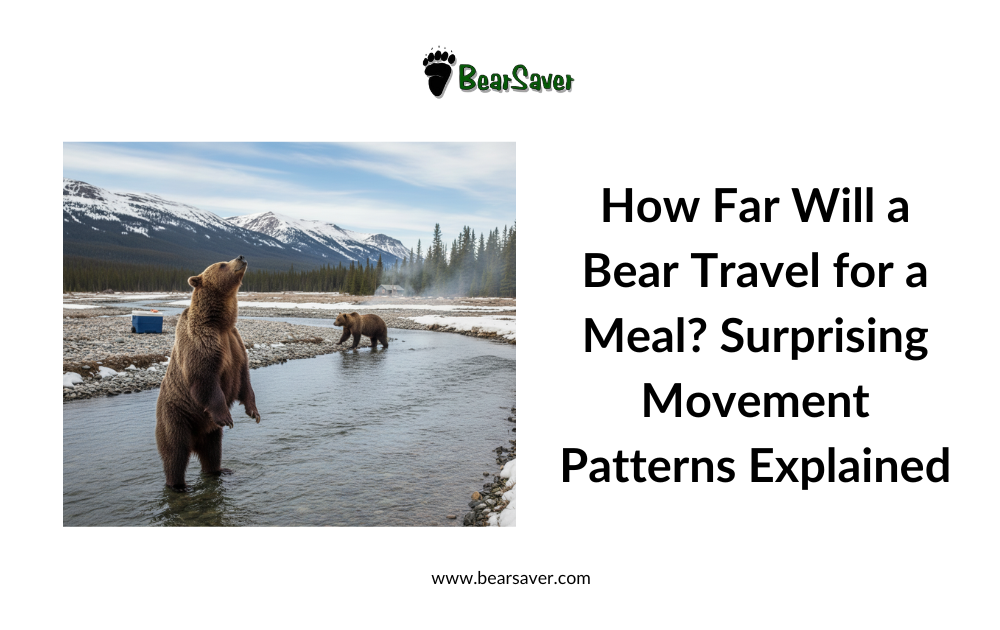
When it comes to food, bears don’t play by the same rules as humans. A discarded food wrapper, unsecured trash bin, or improperly stored supplies can become a beacon for these powerful animals. Understanding how far a bear will travel for a meal isn’t just fascinating wildlife behavior—it’s critical for businesses, campgrounds, and municipalities looking to protect their property, their communities, and the bears themselves. In this article, we explore the surprising movement patterns of bears in search of food, why human food sources are such magnets, and how BearSaver’s animal-proof commercial trash can solutions keep bears out of trouble while safeguarding your investment. 🐻 Why Bears Travel Bears have evolved to take advantage of high-calorie food when it’s available. In the wild, they cover significant distances in search of berries, roots, insects, fish, and nuts. But when human food sources enter the picture—think trash bins, dumpsters, storage lockers—bears quickly learn that easy meals are worth the journey. A bear...
Understanding Attractant Pathways: How Scents Travel Through a Park Environment
Posted by Securr Blogger on
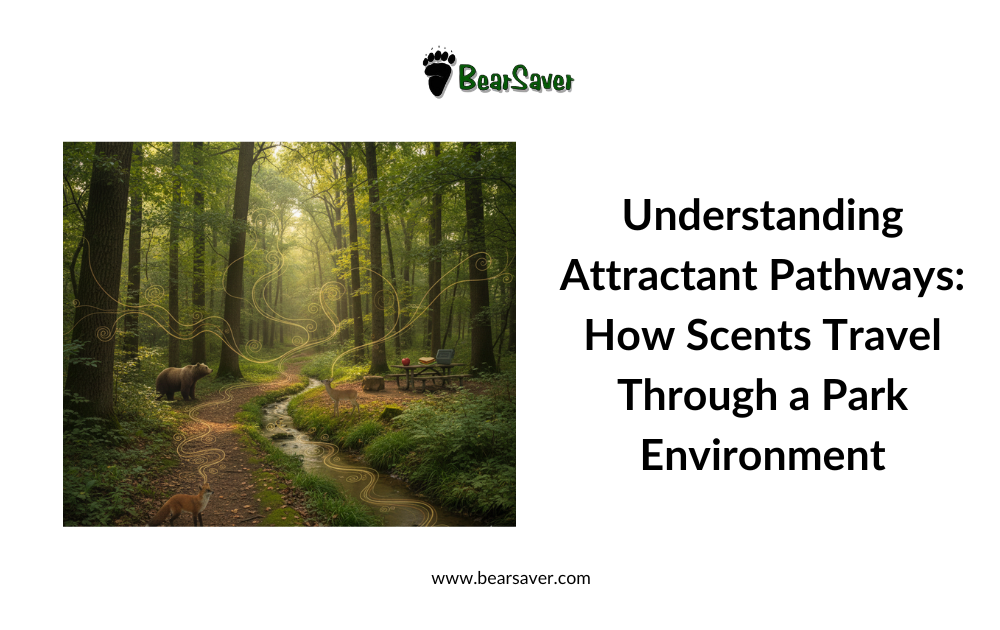
In parks, campgrounds, trail systems, and public recreation areas, wildlife encounters rarely happen by chance. They are often the result of invisible forces known as attractant pathways—the routes that food scents travel through air, terrain, and vegetation to reach animals with highly sensitive noses. Understanding how these pathways work is critical for park managers, municipalities, and facility planners who want to reduce human–wildlife conflict, protect animals, and maintain safe, clean public spaces. At the center of this challenge is waste management. Improperly contained trash is one of the strongest and most persistent attractants in any park environment. This is where engineered solutions like BearSaver® animal-proof commercial trash cans play a crucial role. How Airflow Carries Food Odors Airflow is the primary vehicle for scent transmission. Even small amounts of food waste—wrappers, leftovers, or liquids—release odor particles that can travel surprising distances. In open park environments, wind currents are influenced by: Daily temperature changes (warm air rising, cool air sinking) Tree...
Why Off-Season Waste Protocols Matter Even When Visitor Numbers Drop
Posted by Securr Blogger on
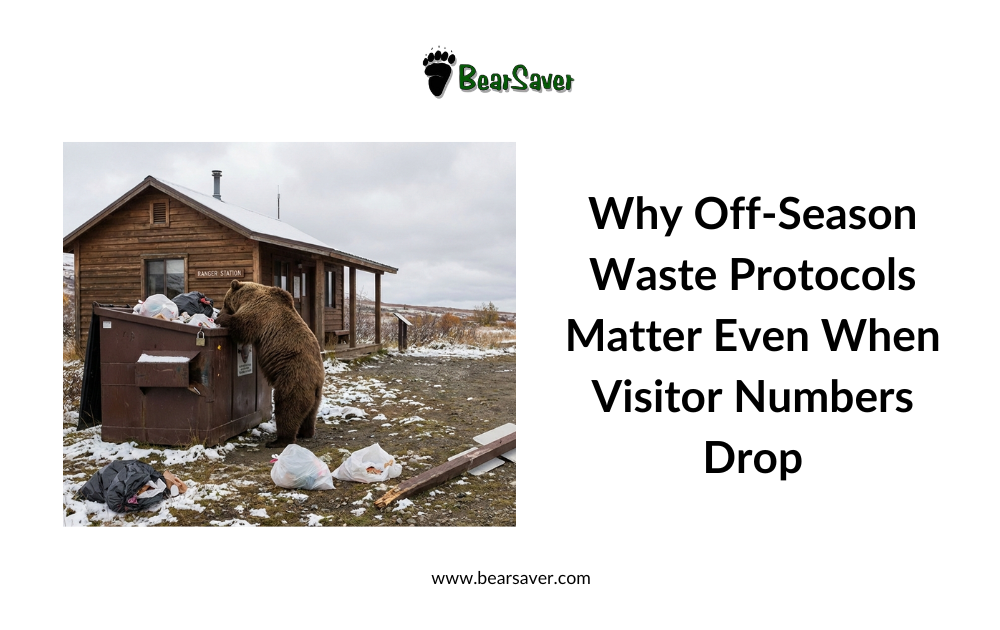
When visitor numbers decline during the off-season, many facilities assume risk declines as well. Fewer people, fewer meals, less trash—so what’s the concern? In bear country, this assumption can be costly. The quiet months often bring increased wildlife movement, reduced staffing, and inconsistent waste oversight, creating the perfect conditions for bear–human conflict. For parks, campgrounds, resorts, municipalities, and commercial properties operating in bear-prone regions, off-season waste management isn’t optional—it’s critical. Bears Don’t Take the Off-Season Off While tourism ebbs and flows, bears remain active for much of the year. In spring and fall especially, bears roam extensively in search of food. During these quieter months, human presence drops—but food odors remain. Unsecured trash becomes an irresistible calorie source. Overflowing bins, damaged lids, or unlocked dumpsters signal an easy meal. Once bears associate a location with food, they return repeatedly, increasing the risk of property damage, safety incidents, and eventual wildlife removal. In many regions, off-season is actually when problem bear...
How Snow and Ice Impact Waste Accessibility in Bear Country: Winter Management Tips
Posted by Securr Blogger on
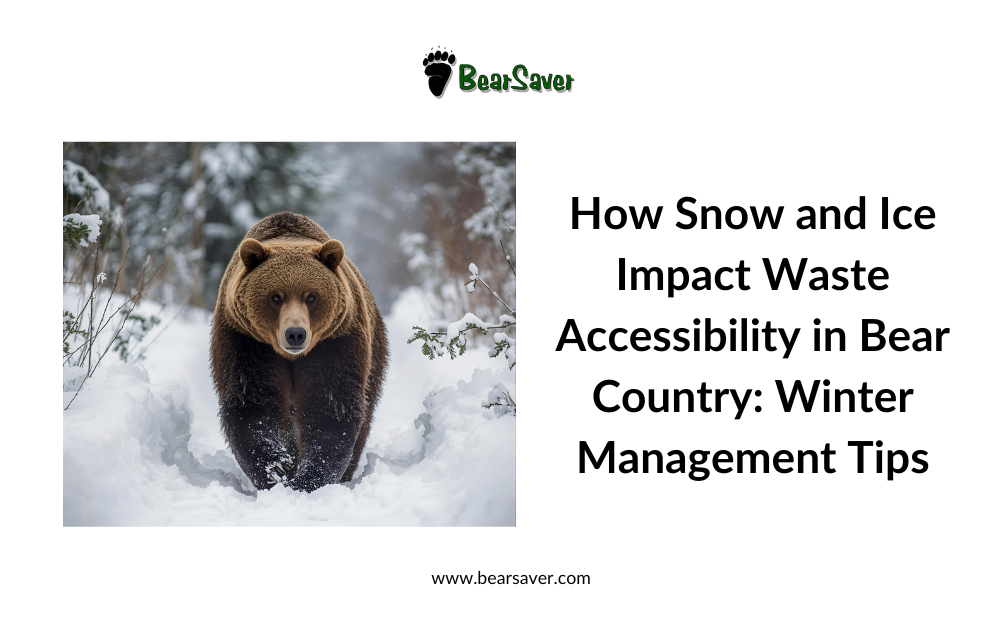
Winter transforms parks, resorts, and public facilities in bear country into beautiful, snow-covered landscapes, but these conditions introduce serious challenges for waste management. Snow, ice, freezing temperatures, and limited staff mobility all influence how effectively facilities can maintain secure waste systems. For organizations committed to preventing wildlife access to human food sources, winter requires a strategic approach, reliable infrastructure, and specialized equipment built to withstand harsh weather. Below, we break down the key cold-weather waste management issues facilities face—and how choosing durable, animal-proof systems like the BearSaver MD365 Outdoor Trash/Recycling Depot can dramatically reduce risks. Why Winter Makes Waste Management Harder in Bear Country Even when bears enter torpor, human behavior and winter weather patterns can unintentionally create attractants. Missed pickups, frozen lids, inaccessible enclosures, and snow-buried containers can expose trash and recycling to scavengers—including early-emerging or non-hibernating bears. Here are the most common winter challenges: 1. Snowdrifts Obstruct Enclosures and Walkways Accumulated snow often blocks access routes, slows staff...
Waste Site Layout & Placement: Best Practices for Minimizing Animal Access
Posted by Securr Blogger on
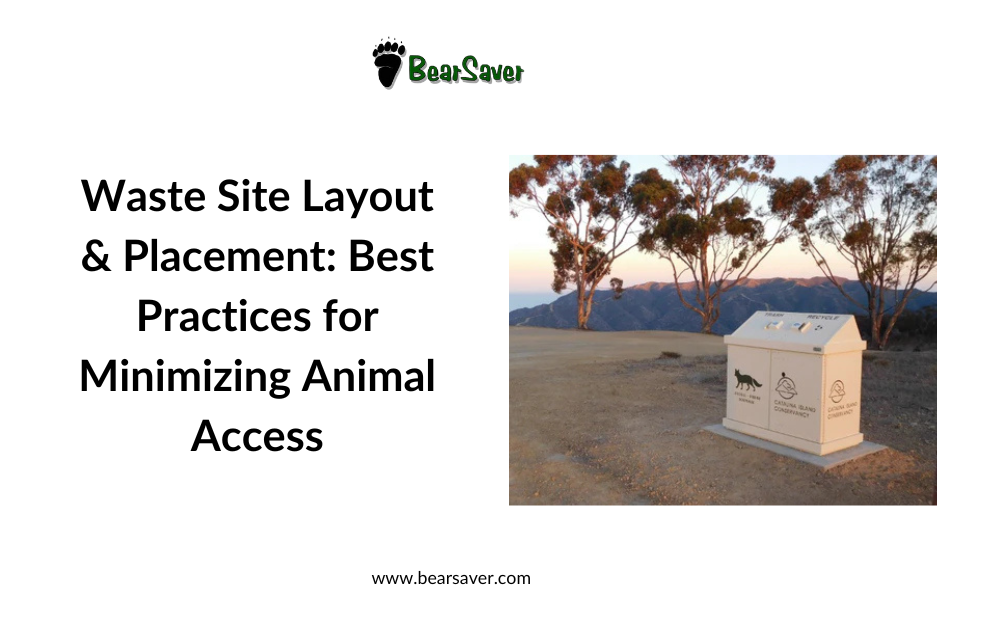
Managing waste in areas where wildlife is active requires more than tough containers. The overall layout, placement, and design of your waste collection sites play a major role in reducing animal intrusion, preventing property damage, lowering cleanup costs, and promoting safe human–wildlife coexistence. Whether you manage parks, commercial developments, municipalities, or multi-unit properties, proper site planning is essential. Below are the most effective practices for creating waste sites that naturally discourage animals — before they ever make contact with your containers. 1. Select Locations That Minimize Wildlife Attraction Placing waste sites in the wrong area can unintentionally attract animals. Instead, choose locations that offer: High VisibilityAnimals are less likely to approach areas with regular human activity. Position waste enclosures near walkways, parking lots, or lit gathering areas rather than near vegetation or secluded corners. Distance From Food SourcesWaste sites should be placed 20–30 feet away from picnic areas, outdoor dining, kitchens, feeding stations, grills, or break areas. This separation helps...