
News
Planning Waste Infrastructure Budgets at the Start of the Fiscal Year
Posted by Securr Blogger on

Capital Planning, Replacement Cycles, and Proactive Spending That Pays Off For municipalities, parks departments, HOAs, and commercial property managers, the start of the fiscal year is more than an accounting reset—it’s the most strategic moment to plan long-term waste infrastructure investments. Decisions made early can determine whether budgets are spent proactively on durable assets or reactively on repairs, replacements, and cleanup costs. One often-overlooked line item in waste infrastructure planning is animal-resistant trash containment. In bear-active regions especially, unsecured waste leads to damaged carts, increased labor, safety concerns, and wildlife conflicts. Forward-thinking organizations are now prioritizing bear-resistant trash can systems as a core capital investment rather than an emergency expense. Proactive vs. Reactive Spending: Why Timing Matters Reactive spending happens when trash carts are repeatedly destroyed, garbage is scattered, or wildlife incidents escalate. These costs rarely appear in a single budget category—they show up as overtime labor, replacement carts, cleanup services, liability risks, and public complaints. By contrast, proactive spending...
Do Bears Have Favorite Foods — or Do They Just Eat What’s Available?
Posted by Securr Blogger on

When bears start breaking into dumpsters, campsites, or commercial trash areas, people often ask the same question: do bears actually prefer human food, or are they just eating whatever they can find? The answer matters — because understanding how bears choose food sources is the key to preventing dangerous human–bear encounters. For businesses, parks, and facilities operating in bear country, it also explains why animal-proof trash and food storage isn’t optional — it’s essential. Bears Are Opportunistic Feeders, Not Picky Eaters Bears are what wildlife biologists call opportunistic omnivores. That means they don’t rely on one specific food source. Instead, they eat what provides the most calories for the least effort, depending on the season and what’s available. In the wild, a bear’s diet can include: Berries, nuts, roots, and grasses Insects and larvae Fish and small mammals Carrion (dead animals) Bears spend up to 20 hours a day foraging, especially before hibernation, when they must gain tens of thousands...
Winter Waste Challenges in Bear Country: What Changes After Peak Season
Posted by Securr Blogger on
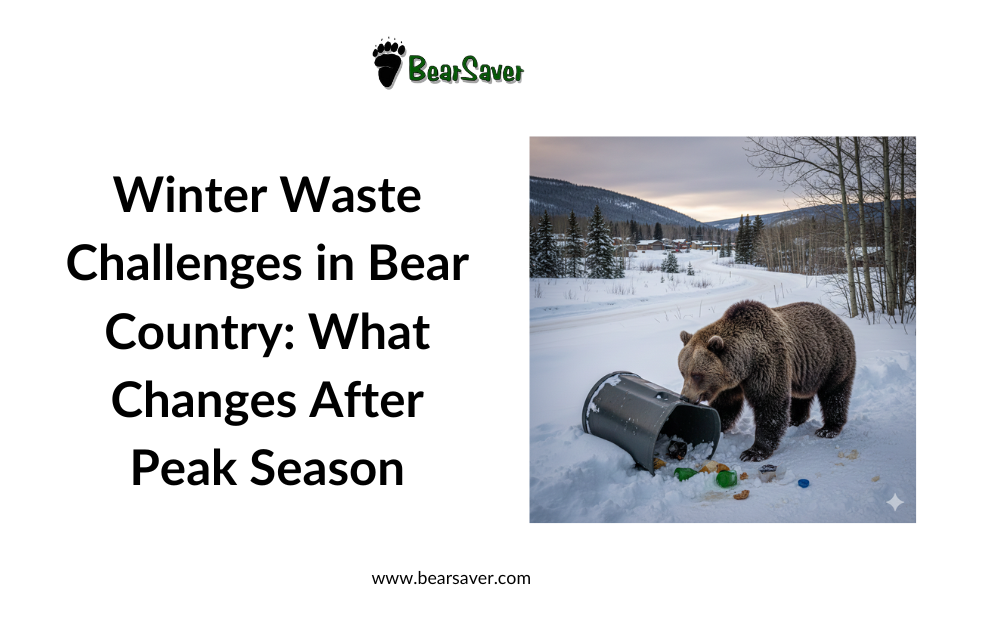
For commercial properties in bear country, winter often feels like a quieter, lower-risk season. Holiday crowds taper off, staffing levels drop, and daily operations slow. But while people may retreat indoors, bears do not disappear. In fact, post-holiday winter months can introduce unique waste management risks that catch many facilities off guard. Lingering food attractants, reduced oversight, and colder conditions combine to create a perfect storm—one where unsecured trash becomes an easy, high-calorie target for wildlife. For property managers, municipalities, resorts, and commercial facilities, winter is not the time to relax waste security. It’s the time to reinforce it. Post-Holiday Waste: Fewer People, More Risk After peak holiday season, commercial trash patterns shift. Instead of frequent daily disposal, dumpsters may sit longer between pickups. Seasonal staff reductions often mean fewer routine checks, less maintenance, and delayed cleanup around waste areas. These changes create several problems: Overflowing containers due to reduced hauling schedules Food residue and packaging lingering in bins longer...
Black Bear vs. Brown Bear: Subtle Differences That Matter in the Wild
Posted by Securr Blogger on
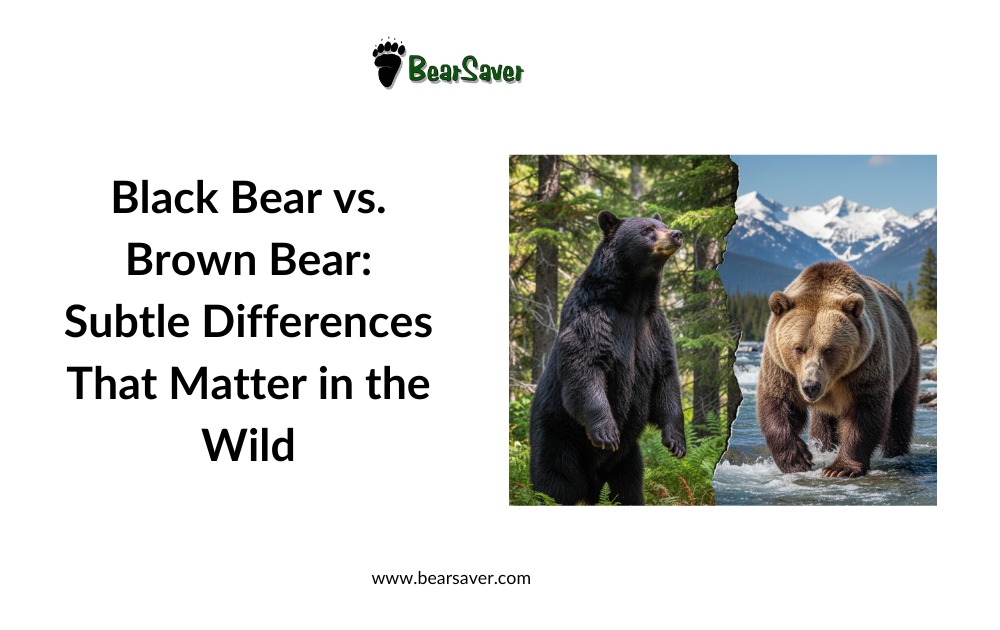
At first glance, bears may seem similar—large, powerful mammals roaming forests and mountains across North America. But understanding the differences between black bears and brown bears (including grizzlies) is more than a wildlife trivia exercise. These distinctions matter deeply for public safety, wildlife conservation, and—critically—how communities manage trash in bear habitats. For parks, municipalities, campgrounds, and commercial properties, improperly secured waste is one of the leading causes of dangerous bear encounters. That’s why choosing animal-proof, bear-resistant trash solutions, like those engineered by BearSaver, is essential. Black Bears vs. Brown Bears: Key Differences 1. Size and Build Black bears are generally smaller, weighing between 100–600 pounds, while brown bears can exceed 1,000 pounds. Brown bears also have a distinctive shoulder hump made of muscle, giving them superior digging and tearing strength—an important factor when designing bear-resistant enclosures. 2. Behavior Around Humans Black bears tend to be more cautious and are often found near residential areas, campgrounds, and trailheads where food odors...
The Influence of Visitor Food Culture on Park Waste Challenges
Posted by Securr Blogger on
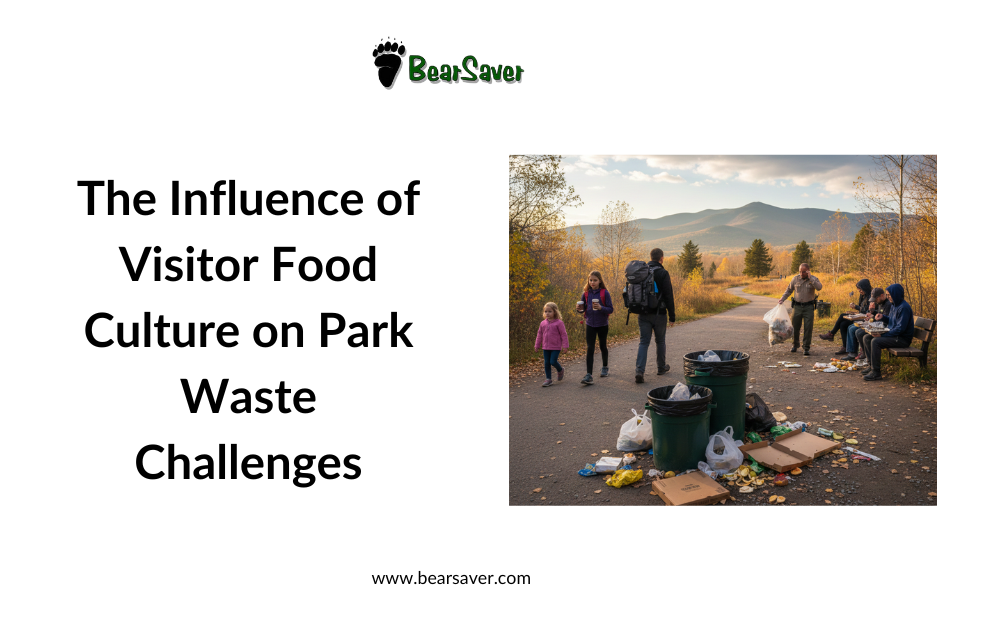
Across national parks, state parks, campgrounds, and recreation areas, the way visitors eat has changed dramatically. From artisanal snacks and single-serve packaged foods to full-blown tailgating feasts, today’s visitor food culture is vibrant, varied—and a growing challenge for park managers trying to keep natural spaces clean and wildlife safe. Understanding the relationship between what people eat outdoors and the waste they generate is critical to solving a set of interconnected problems: overflowing trash receptacles, wildlife interactions, rising cleanup costs, and unhappy visitors. For parks committed to conservation and visitor experience, adapting to these trends with smart waste management solutions like BearSaver animal-proof systems is no longer optional—it’s essential. Modern Snack Trends and Their Impact on Park Waste Gone are the days when trail mix and sandwiches were the most common park foods. Today’s visitors bring a wide range of snacks, many of which come in individual, colorful, single-use packaging. Gourmet jerky, protein bars, flavored chips, energy gummies, and other snack...