
The Influence of Visitor Food Culture on Park Waste Challenges
Posted by Securr Blogger on
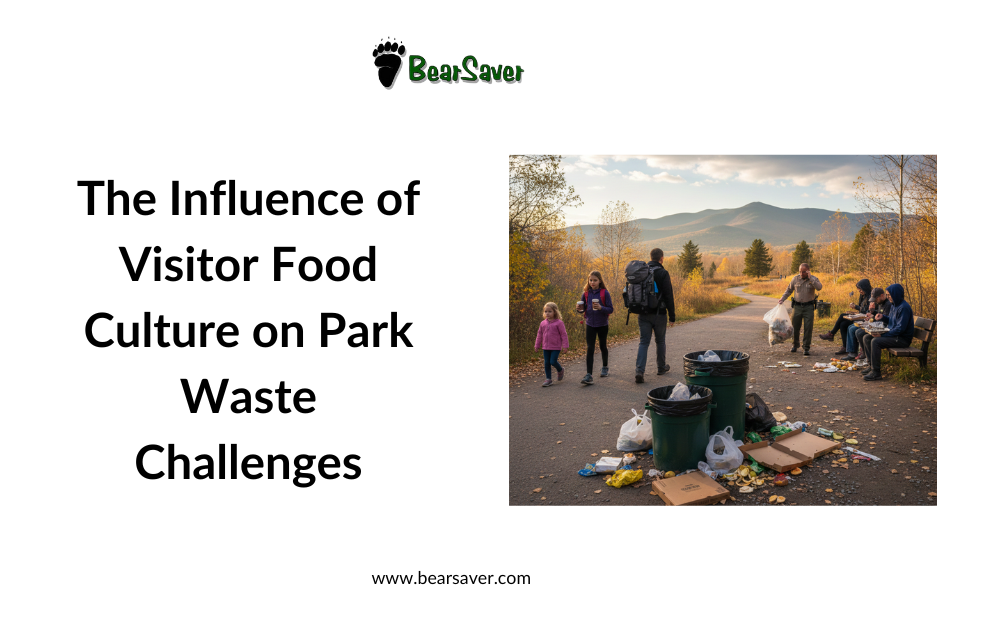
Across national parks, state parks, campgrounds, and recreation areas, the way visitors eat has changed dramatically. From artisanal snacks and single-serve packaged foods to full-blown tailgating feasts, today’s visitor food culture is vibrant, varied—and a growing challenge for park managers trying to keep natural spaces clean and wildlife safe.
Understanding the relationship between what people eat outdoors and the waste they generate is critical to solving a set of interconnected problems: overflowing trash receptacles, wildlife interactions, rising cleanup costs, and unhappy visitors. For parks committed to conservation and visitor experience, adapting to these trends with smart waste management solutions like BearSaver animal-proof systems is no longer optional—it’s essential.
Modern Snack Trends and Their Impact on Park Waste
Gone are the days when trail mix and sandwiches were the most common park foods. Today’s visitors bring a wide range of snacks, many of which come in individual, colorful, single-use packaging. Gourmet jerky, protein bars, flavored chips, energy gummies, and other snack innovations are popular for both day hikes and outdoor hangouts.
While this diversity delights taste buds, it also leads to:
-
Increased volume of packaging waste – Smaller individual packages mean more wrappers.
-
Harder-to-compact trash – Bulky or irregularly shaped items reduce space in park bins.
-
Contamination issues – Sticky or greasy packaging attracts animals and complicates recycling efforts.
Visitors may not intend to leave waste behind, but when bins fill quickly or are inaccessible, litter becomes more likely. Parks that once managed with a few strategically placed trash cans now see entire trails dotted with snack wrappers—posing aesthetic and environmental problems.
The Rise of Outdoor Dining and Tailgating Culture
Outdoor dining has become a staple of the park experience. Families and groups bring picnics; friends gather for scenic lunches; tailgaters set up elaborate spreads before concerts, games, and events near parklands. While this trend enhances visitor engagement, it also creates significant waste pressures.
Why tailgating and outdoor meals increase waste challenges:
-
Larger meal quantities mean more leftovers and containers. Disposable plates, cups, utensils, and food packaging accumulate rapidly.
-
Social dining areas become hotspot waste zones. Popular picnic spots fill up with trash quickly, often overwhelming nearby waste receptacles.
-
Food waste attracts wildlife. Leftover food and open trash bins draw curious animals, leading to dangerous interactions and habituation.
Animals like bears, raccoons, and rodents are naturally attracted to food smells. When they discover accessible trash cans or food scraps, habituation occurs—meaning animals lose their natural caution around humans and spaces. For wildlife and visitors, this can lead to harmful encounters.
Packaging Trends & Environmental Impacts
Many modern snack and meal options rely on plastics, foils, and composite materials that are not easily recyclable. While sustainability initiatives encourage compostables and recyclables, these alternatives are not always feasible for outdoor use due to durability issues.
Packaging trends affecting parks include:
-
Multi-layer plastics that aren’t recyclable
-
Foil-lined snack pouches
-
Biodegradable materials that break down slowly in cold or dry conditions
-
Single-serve condiments and sauces with tiny packaging
These items often find their way into general trash or, worse, into the natural environment. They not only contribute to visual pollution but also pose hazards to wildlife and water quality.
Better Waste Management Through Design and Education
Addressing these challenges requires a mix of infrastructure upgrades and visitor education. Parks are increasingly:
-
Installing more receptacles near high-use areas.
-
Using clear signage about proper disposal and wildlife safety.
-
Providing recycling and composting stations where feasible.
-
Encouraging visitors to pack in/pack out when possible.
Yet even with these efforts, a fundamental problem remains: traditional trash cans are not designed to withstand persistent wildlife pressure or the surge in food-related waste volume.
This is where BearSaver products make a measurable difference.
BearSaver: Built for Today’s Parks and Visitor Food Culture
Parks need durable, animal-resistant waste and food storage solutions that can handle modern usage patterns. The BearSaver Intermediate Food Storage Locker (FS16) is an excellent example of how smart design meets real park needs.
Features that make the BearSaver FS16 ideal for parks:
-
Animal-proof construction: Keeps bears and other wildlife out, reducing hazardous encounters and messes.
-
Durable materials: Built to withstand harsh outdoor environments and high-use public settings.
-
Ample storage capacity: Designed to hold significant volumes of food or scent-producing trash—especially valuable during peak visitor seasons, events, or tailgating gatherings.
-
Low maintenance: Easy to clean and maintain, helping parks save on labor and long-term costs.
By deploying BearSaver lockers and receptacles in strategic areas—trailheads, picnic zones, campgrounds, parking lots—parks can dramatically reduce wildlife access to food waste while encouraging visitors to dispose of their leftovers responsibly.
The Win-Win: Cleaner Parks, Safer Wildlife, Happier Visitors
As visitor food culture continues to evolve—with more snacking, packaging, and shared meals outdoors—parks face a clear choice: adapt waste infrastructure or watch problems escalate.
Effective animal-proof solutions like BearSaver systems help parks:
-
Reduce litter and overflow issues
-
Minimize wildlife stress and prevent habituation
-
Lower cleanup and maintenance costs
-
Support a safe, enjoyable park experience
Combining smart receptacles with educational outreach ensures visitors understand why responsible disposal matters—and gives them the tools to do it right.
Get Started with BearSaver Solutions
Protect your park, your wildlife, and your visitors from the unintended consequences of modern food culture. BearSaver is ready to help.
📞 Call: 800.851.3887
📧 Email: sales@bearsaver.com
Invest in waste management solutions designed for today’s outdoor dining trends and tomorrow’s park-goers.