
Identifying Waste Sites That Attract Repeat Wildlife Visits
Posted by Securr Blogger on
Patterns, Location-Based Risks, and Corrective Actions
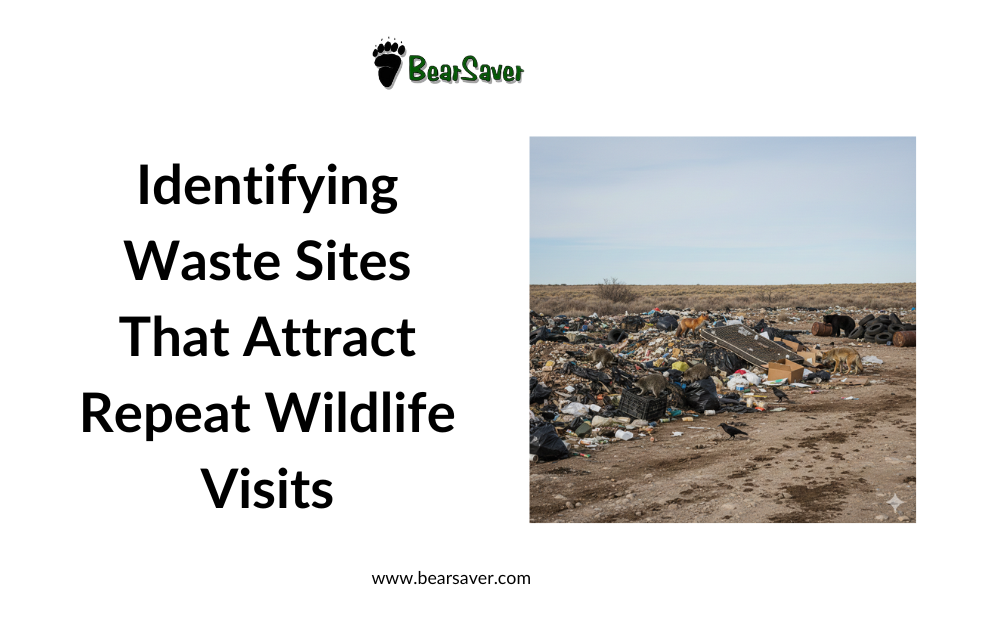
Wildlife encounters around waste sites are rarely random. Bears, raccoons, and other animals are intelligent, opportunistic, and creatures of habit. Once a trash site offers an easy food reward, it becomes a repeat destination—creating safety risks, property damage, and long-term wildlife dependency. For municipalities, parks, HOAs, campgrounds, and commercial facilities, identifying why certain waste sites attract repeated wildlife visits is the first step toward stopping the cycle.
Why Wildlife Keeps Coming Back
Animals return to the same waste locations because they learn quickly. A single successful breach of a trash container can teach wildlife that a site is worth revisiting. Over time, animals may even adjust their travel routes and behavior to include these predictable food sources.
Common repeat-attraction factors include:
-
Unsecured or damaged trash cans
-
Overflowing waste or food odors
-
Inconsistent waste pickup schedules
-
Poor placement near natural corridors
-
Human behavior (improper disposal or leaving lids open)
Once wildlife associates a location with food, deterrents alone often fail. Structural solutions become essential.
High-Risk Waste Site Locations
Certain locations are far more vulnerable to repeated wildlife visits due to geography, human traffic, or environmental conditions.
1. Edge Zones Between Development and Nature
Trash enclosures located near forests, greenbelts, waterways, or hillsides are prime targets. These areas act as natural travel corridors for bears and other wildlife.
2. Multi-User Disposal Areas
Shared waste sites—such as apartment complexes, parks, rest areas, and trailheads—often suffer from inconsistent use. One unsecured lid can compromise the entire site.
3. Seasonal Activity Zones
Campgrounds, resorts, and recreational areas experience spikes in food waste during peak seasons, increasing odors and overflow that attract animals.
4. Previously Compromised Sites
If wildlife has accessed trash at a location before, the likelihood of return visits is significantly higher—even if temporary fixes were attempted.
Recognizing Patterns of Wildlife Activity
Identifying patterns helps determine whether a site requires behavioral changes, operational improvements, or physical upgrades.
Look for:
-
Repeated trash scattering in the same area
-
Damage focused on lids or access points
-
Wildlife activity occurring at predictable times
-
Tracks or markings near containers
-
Reports of animals lingering or waiting nearby
These signs indicate that animals have learned how to access waste—and will continue unless the food source is eliminated.
Corrective Actions That Actually Work
1. Upgrade to Certified Animal-Resistant Containers
Standard trash cans—even heavy-duty ones—are no match for persistent wildlife. The most effective long-term solution is a bear-resistant, lockable enclosure engineered to prevent access entirely.
BearSaver specializes in animal-proof commercial trash solutions designed to stop repeat visits by removing the reward altogether.
Featured Solution: BearSaver Bearier Residential Double Trash Can Enclosure (RCE230F)
The BearSaver Bearier Residential Double Trash Can Enclosure (RCE230F) is a proven solution for high-risk residential and light-commercial environments.
Key advantages include:
-
Heavy-gauge steel construction designed to withstand bear force
-
Secure, animal-resistant locking system
-
Holds two standard residential trash cans
-
Powder-coated finish for durability and weather resistance
-
Clean, professional appearance suitable for HOAs and communities
Unlike improvised fixes or plastic alternatives, this enclosure eliminates access points entirely—breaking the learned behavior that drives repeat wildlife visits.
👉 Learn more about the model here:
https://bearsaver.com/collections/bear-resistant-mini-depot-trash-cans-and-recycle-bins/products/bearsaver-bearier-residential-double-trash-can-enclosure-rce230f
2. Improve Placement and Site Design
-
Position waste enclosures away from tree cover or slopes
-
Increase visibility to discourage animal lingering
-
Anchor enclosures securely to prevent tipping or dragging
3. Control Odors and Overflow
-
Increase pickup frequency during peak seasons
-
Encourage bagged waste and proper disposal
-
Use sealed containers instead of open dumpsters where possible
4. Standardize User Behavior
Clear signage and consistent container design reduce misuse. When everyone interacts with the same secure system, weak points disappear.
Long-Term Benefits of Proper Waste Protection
Investing in animal-proof trash infrastructure delivers lasting benefits:
-
Reduced wildlife habituation
-
Improved public safety
-
Lower cleanup and maintenance costs
-
Fewer wildlife management interventions
-
Compliance with local wildlife regulations
Most importantly, it protects both people and animals by preventing dangerous encounters before they begin.
Take Action with BearSaver
If your waste site is attracting repeat wildlife visits, the solution isn’t temporary deterrents—it’s removing access entirely.
BearSaver has decades of experience providing proven, bear-resistant trash enclosures for communities across North America.
📞 Call: 800.851.3887
📧 Email: sales@bearsaver.com
🌐 Visit: https://bearsaver.com